A Facebook post about an autistic young man who sometimes makes his way from his home in Mont Kiara to his former school in Kiaramas led to an unexpected invitation from Dorsett Hartamas – and a stay that was about much more than a night at a hotel.
KUALA LUMPUR: In an age when businesses are increasingly turning to technology and artificial intelligence, Sophia Natasya Malik, the general manager of Dorsett Hartamas Kuala Lumpur believes there is one thing technology cannot replace: the human touch.
For her, that human touch began with something surprisingly simple – getting to know a young man she had never met.
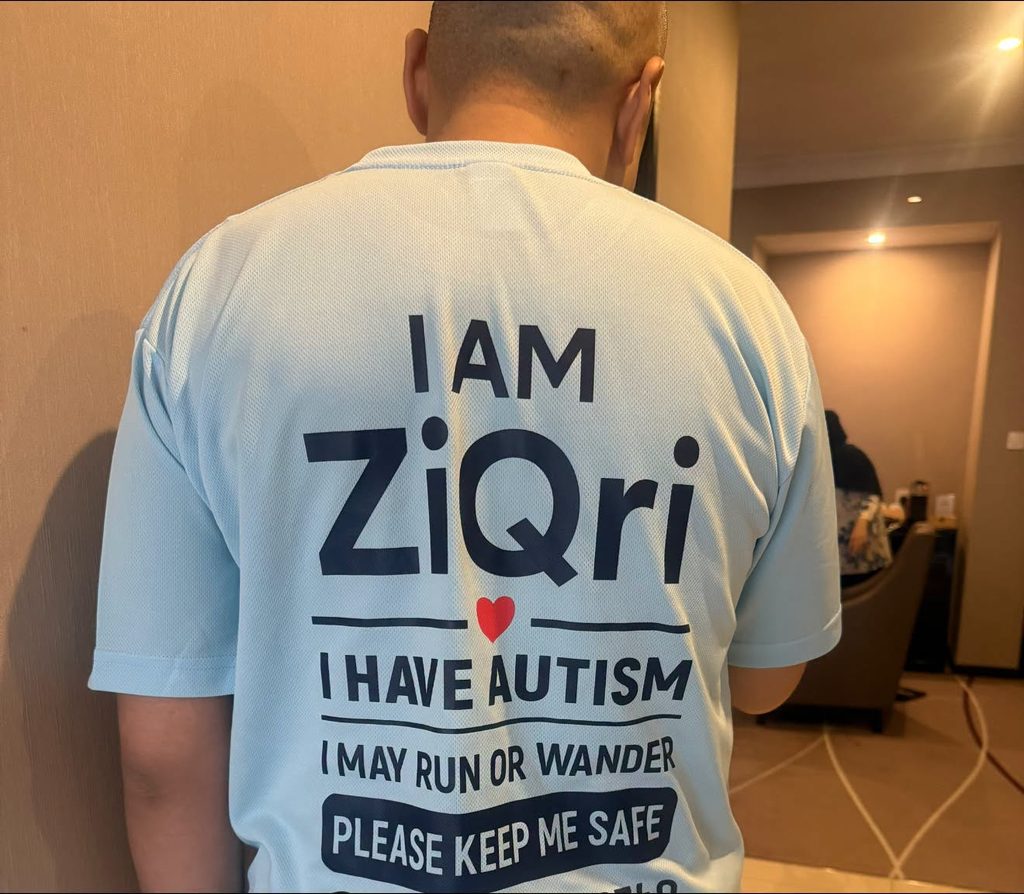
His name is Ziqri.
Sophia had come across Facebook posts by his mother, Datin Hasnah Abdul Rahman, about her autistic son and the times he would leave their home in Mont Kiara and make his way towards his former school, SMK Kiaramas.
Then Sophia realised something.
Dorsett Hartamas sits almost right in the middle of that journey.
And she began to wonder: what if Ziqri passed the hotel one day?
What if the staff knew who he was?
What if, instead of simply seeing a young man walking past, they could recognise him, approach him and help him get safely home?
That simple thought eventually led to an invitation for Ziqri, Hasnah and his brother Aidel to spend a night at Dorsett Hartamas.
Dorsett Wanted to Know Ziqri
The invitation was not simply about giving the family a complimentary hotel stay.
For Sophia, it was about allowing her team to meet Ziqri, understand him better and, importantly, know what he looks like should he ever pass the hotel on his own.
It was about turning a name and a Facebook story into a person they knew.
Sophia said the initiative also came from understanding how challenging life can be for parents raising children with autism and other special needs.
“There’s something AI cannot do,” she said during a conversation with Hasnah and Aidel. “It cannot give the human touch” or compassion.
That, she said, was where the hotel could play a role.
Sophia spoke about giving families like Hasnah’s some time away from their usual routines – not necessarily a grand “me time”, but at least an opportunity to relax, be pampered and enjoy a change of environment.
She even drew a comparison with the idea of parents being given trusted support so they could have an occasional date night or simply some personal time.
For parents who spend so much of their lives caring for their children, she noted, such opportunities can be difficult to come by.
Aidel’s Birthday Makes the Stay Extra Special
There was another reason the hotel wanted to make the stay memorable.
Aidel’s birthday had fallen just a few days earlier.
Once the team found out, they decided to make the occasion part of the family’s stay.
The family was treated to accommodation and a set hi-tea at Table Talk, turning what had started as an opportunity to get to know Ziqri into a small family celebration.
For Aidel, it was a chance to enjoy his birthday in a setting away from his usual routine – a nice break from his weekday college routine and weekend work at Nandos.
For Ziqri, it was an opportunity to become familiar with the people and surroundings of a hotel that happens to sit along a route he has travelled before.
And for Hasnah, the gesture carried a meaning that went beyond the room or the meal.
It was the knowledge that someone outside the family had taken the time to understand her sons.
More Than a Hotel Stay
That is perhaps what made the experience different.
Hotels are accustomed to welcoming guests. But there is a difference between accommodating someone and taking the trouble to understand them.
For Hasnah, the Dorsett Hartamas team went beyond the usual expectations of hospitality.
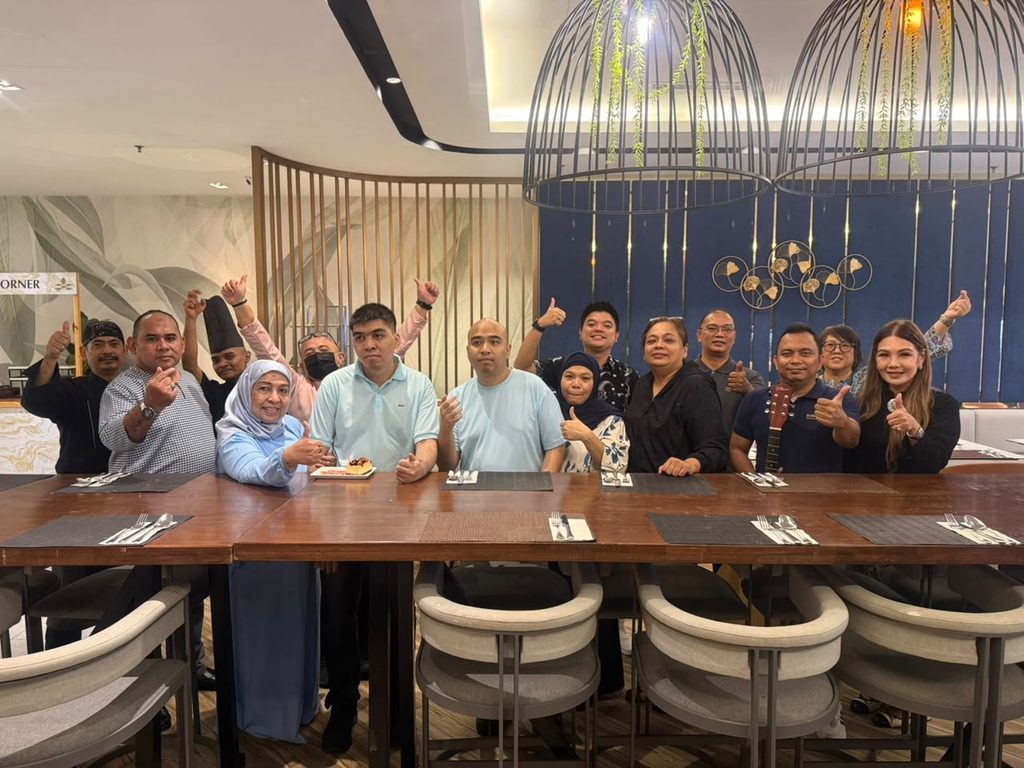
In her review of the hotel, she described how the management and staff treated her two sons “like kings”, adding that it was obvious that giving back to the community was part of the hotel’s DNA.
That impression was also reflected in the hotel’s wider community initiatives.
Dorsett Hartamas recently launched its “Thank You, Riders!” programme, allowing delivery riders to purchase breakfast takeaway packs for RM3 every Friday, with the proceeds channelled to the hotel’s charity fund.
It is a small gesture, but it reflects the same philosophy: a hotel is not isolated from the community around it.
It is part of that community.
When Social Sustainability Becomes Personal
For Sophia, that sense of community extends beyond environmental sustainability.
It includes people.
It includes families.
And it includes creating opportunities for people who may not always feel included in conventional spaces.
Her conversation with Hasnah touched on the particular challenges faced by families with special needs and how hospitality businesses could potentially create experiences that make such families feel more comfortable and welcomed.
There is also a practical dimension.
Sophia acknowledged that initiatives must have both heart and commercial value. Greater community awareness and stronger engagement can also create value for the business, while making the hotel more connected to the neighbourhood it serves.
In other words, social sustainability does not have to sit separately from business.
It can become part of how a business operates.
From One Family to a Bigger Vision
The stay also gave Hasnah an opportunity to share with Sophia the wider vision she is developing through her RISE NGO and its collaboration with Dorsett Grand Subang.
That vision goes beyond inviting neurodiverse families into hotels.
It looks at how neurodiverse people themselves can become part of the hospitality ecosystem – as artists, performers, guests and, potentially, employees.
Among the ideas discussed are art exhibitions and sales, performances by neurodiverse talents, inclusive high-tea experiences and opportunities to engage neurodiverse young people in hospitality.
Hasnah also sees potential for hotels to provide calming spaces for neurodiverse guests, while training management and staff to better understand and support neurodiverse employees and visitors.
The longer-term goal is to make hospitality more inclusive not just for the people staying in the hotel, but also for those working and performing there.
These are still ideas and possibilities, rather than initiatives being announced as part of this particular stay.
But they all come from the same principle that brought Ziqri to Dorsett Hartamas in the first place:
Get to know the person. Understand what they need. Then find a way to include them.
Sometimes Inclusion Starts With Knowing a Face
There is something quietly powerful about the reason behind the invitation.
Sophia did not invite Ziqri because she wanted to turn his story into a publicity exercise.
She had read about him, realised that her hotel was part of the route he sometimes took, and thought her team might one day be able to help.
So she wanted them to know him.
To know his face.
To understand him.
And perhaps, if Ziqri ever walks past Dorsett Hartamas alone, someone inside will recognise him and know that he is not simply a stranger passing by.
He is Ziqri.
And they know where he belongs.
For Hasnah, that was the most meaningful part of the stay.
The suite was lovely. The hi-tea was a treat. Aidel’s birthday celebration was special.
But sometimes, the greatest hospitality is something much simpler.
It is knowing that someone has taken the trouble to know your child.
And perhaps that is the human touch that no technology can replace. – NMH

Anita Pandian is a versatile media writer and PR professional, with expertise in media management. She excels at creating compelling content, managing media relations, and developing strategic public relations campaigns. Her ability to engage audiences and strengthen brand narratives allows the companies she represents to effectively communicate their messages and enhance their public profiles. A seasoned broadcaster and TV host, Anita combines her on-screen presence with her PR acumen to offer a unique perspective, blending storytelling with corporate communications to drive visibility and impact for her clients.
Facebook Comments