Zahid case, based allegedly on defective charges, granted DNAA on 11 grounds for facilitating further investigations (Part 3).
Commentary And Analysis . . . In Part 2, we saw Locus Standi, Motive, and the Burden of Proof [Onus Probandi]. Deputy Prime Minister and Umno President Datuk Seri Ahmad Zahid Hamidi’s DNAA (discharge not amounting for acquittal) in greater depth.
The 11 Grounds for DNAA, Contradiction, and Doctrinal Consistency arise in this part.
VI. The Eleven Grounds: A Critique Without Its Object.
Zahid
On 4 September 2023, the Deputy Public Prosecutor advanced 11 Grounds for the Zahid DNAA: new MACC inquiries, representations by the accused, new documentary evidence, issues with Inland Revenue witnesses, the need for further investigation, and defective charges, among others.
Judicial review asks whether the decision-maker considered irrelevant factors, ignored relevant ones, acted in bad faith, or reached a conclusion no reasonable authority could reach (Wednesbury unreasonableness).
11 Grounds
The 11 Grounds are the very material that must be tested.
The article does not engage them.
It critiques the review without examining the record under review.
That’s critique by caricature [distorted representation].
Najib Reference
VII. The Najib Reference: A Performative Contradiction [Contradictio in Adjecto].
The article closes by invoking the “shenanigans” of a former Chief Justice in the Najib Razak trial and warns that the Bar’s challenge risks further damaging the judicial image.
That’s self-defeating.
The article condemns “two-tiered justice” politicised by association, yet it uses a prior political case and prejudices the present one.
It deploys political taint for arguing against political taint.
This remains contradiction in terms [contradictio in adjecto].
Courts decide cases on evidence, not on the shadow of other cases.
Republic Of Laws
VIII. Doctrine Before Deformation.
The Republic Of Laws demands doctrinal consistency.
If the Attorney General’s motive was irrelevant on the validity of his act, then the challenger’s perceived motive was equally irrelevant on standing.
The test remains on legality, not disinterest.
The article’s force derives from prudential, non-doctrinal appeals: institutional legitimacy, political optics, and floodgates.
Malaysian law already contains filters, for example Repco’s bad faith/irrationality test and the high bar for certiorari.
Those filters, not the exclusion of challengers, protect prosecutorial independence.
The perilous precipice was not the Bar’s application.
It was the argument that scrutiny of power must be disinterested for being lawful.
The Constitution requires lawful decisions, not pure challengers.
That distinction was the measure of fidelity on the structure the article invokes but does not follow.
GRKumar’s Response
Rejoinder Postscript: GRKumar’s Response and a Jurist’s Reply.
In social media dialogue, the author clarified that his concern was normative, not jurisdictional: whether the Bar, given its history, should act as oversight though it lawfully may.
He defends the Najib reference as institutional prudence, not politicisation.
The reply was candid, but it confirms the category shift.
Standing was a legal door; legitimacy was political floor.
Courts police the door.
Bar’s Membership
The floor was the Bar’s Membership, Parliament, and public debate.
In asking that the courts close the door because of what lies beyond was asking them on enforcing prudence as law.
Malaysian public law does not do that.
In Malaysian Bar v Govt of Malaysia, the Bar may sue for upholding the Constitution.
Section 254A remains uninvoked in Zahid’s case, true.
But its existence rebuts the article’s claim that a quashed DNAA equals forced prosecution.
The statutory scheme contains its own escape valve [échappatoire].
On the eleven grounds: reasons are not self-validating.
Their existence invites review; it does not preclude it.
Saying “the Bar alleges insufficiency” was precisely why a court, not an article, must test them.
Institutional Legitimacy
On Najib: Institutional Legitimacy is precious.
It is preserved by consistent application of law, not by abstention from hard cases.
As Sri Lempah reminds, the court’s duty was on declaring the law, come what may [fiat justitia ruat caelum].
The reader now has both submissions.
The law was neither rhetoric nor rebuttal.
It’s the reasoned judgment of the courts, for which this matter was remitted.
Briefly, based on the 11 reasons, the AG accepted Zahid’s letter of representation and recommended DNAA. The court granted DNAA and can substitute with DNA (discharged and acquitted) if the case isn’t brought back within reasonable period of time. The case can only be brought back if there’s new evidence. — NMH
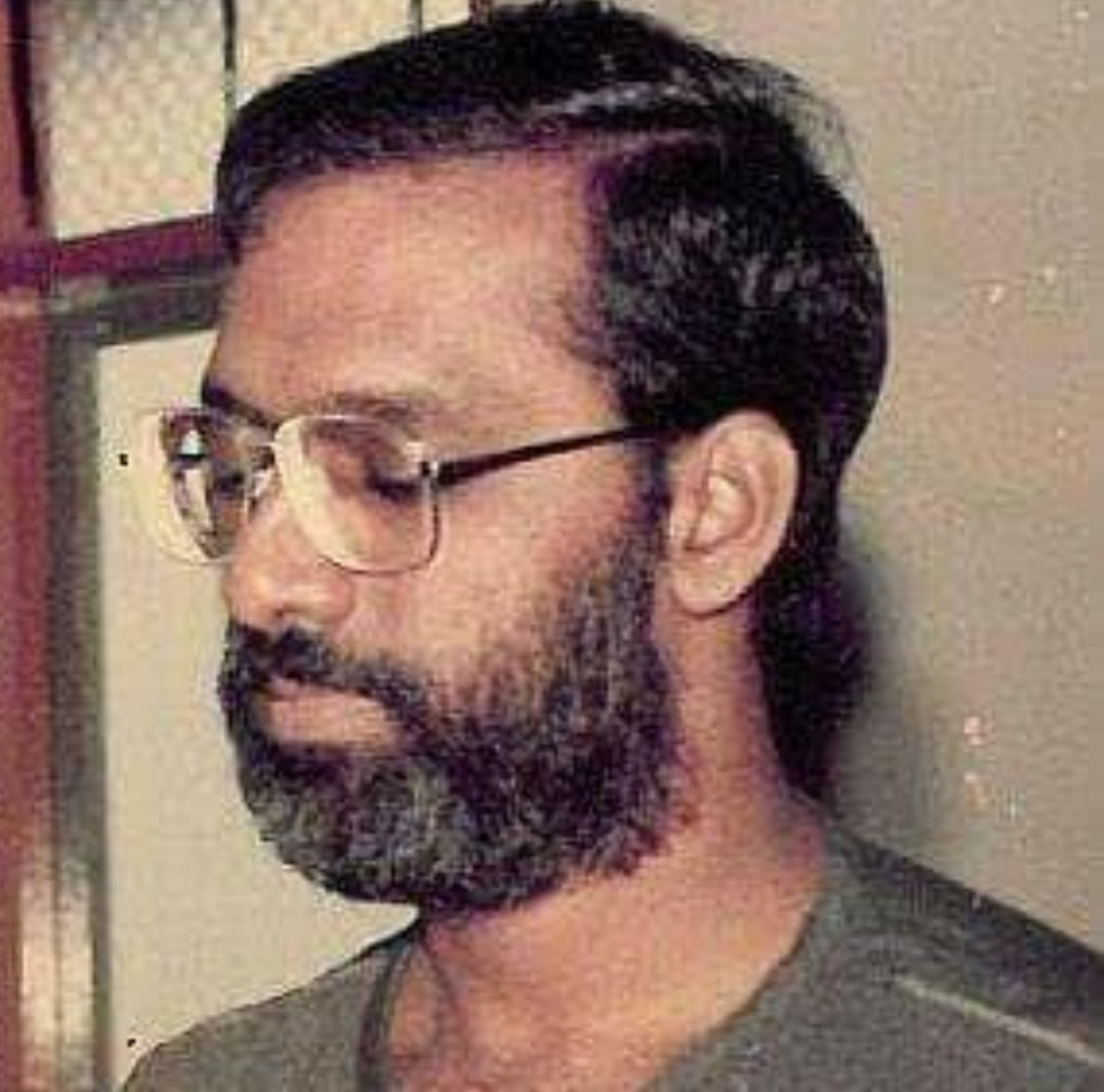
Longtime Borneo watcher Joe Fernandez has been writing for many years on both sides of the Southeast Asia Sea. He should not be mistaken for a namesake formerly with the Daily Express in Kota Kinabalu. JF keeps a Blog under FernzTheGreat on the nature of human relationships.
Facebook Comments

Facebook Comments