From Enron to Carillion, corporate failures have shown that shared decisions carry shared consequences. The SRC civil case ruling raises a difficult question — why does that principle appear unevenly applied?
The High Court’s ruling in the SRC civil case pertaining to SRC International may have settled liability — but it leaves accountability open to question.
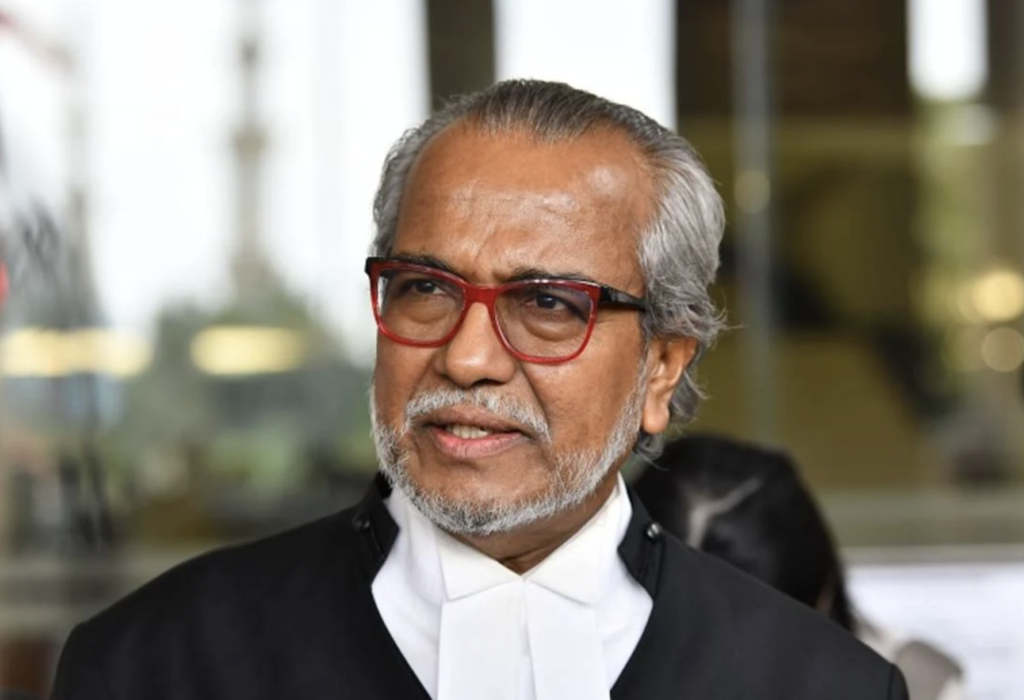
Based on points raised by defence counsel Tan Sri Muhammad Shafee Abdullah in a press conference following the judgment, a central and disquieting issue remains:
At its core, the issue is not simply legal — it is structural.
How does a collective decision ultimately become the liability of a single individual?
A Governance Structure That Recedes
Corporate governance is built on shared responsibility.
Boards deliberate. Management executes. Decisions are recorded, scrutinised, and justified. This architecture exists to prevent both the concentration of unchecked power—and the concentration of unchecked blame.
Yet in the SRC civil case, that structure appears to recede into the background.
A board of directors existed. A management team was in place. Both were entrusted—and compensated—to exercise independent judgment. Yet in the final analysis, accountability appears to have converged on a single individual.
If decisions were made within a corporate framework, where has that framework gone in the assignment of liability?
Anything less risks reducing governance to form rather than function.
Influence, Control — and Responsibility
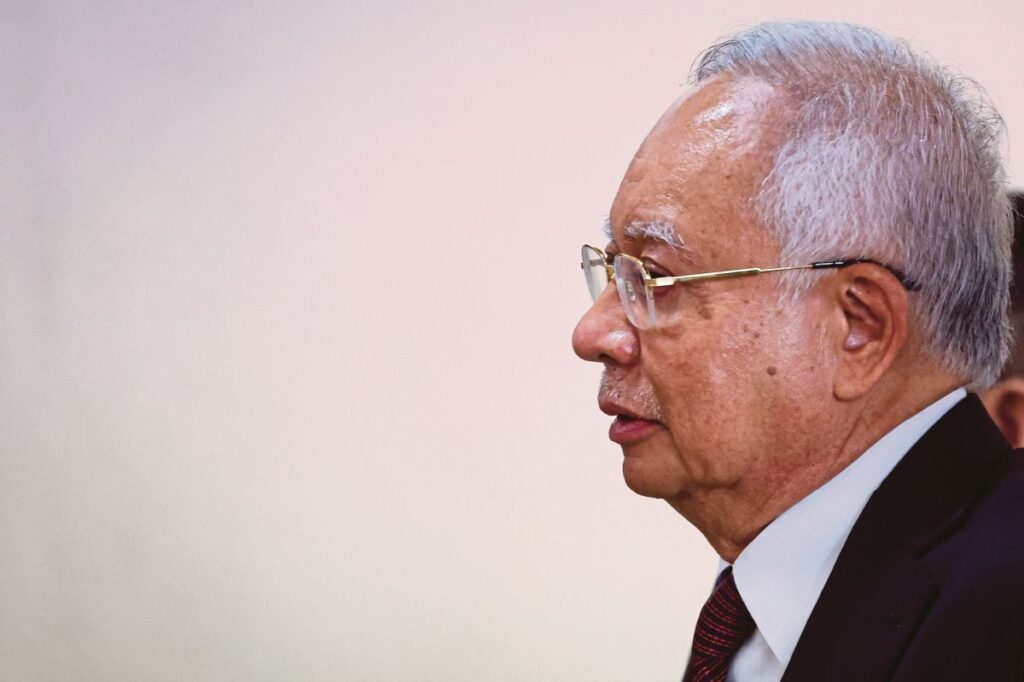
At the material time, Datuk Seri Najib Razak was Prime Minister and held a position of influence in relation to SRC.
But influence, in corporate law, is not the same as control.
Directors do not cease to be fiduciaries simply because a dominant figure exists. They are not absolved of responsibility by deferring upward. If anything, the law expects them to exercise greater vigilance.
Which leads to a sharper question:
If influence explains the decisions, does it also excuse everyone else who made them?
To accept that a sitting Prime Minister functioned as the sole effective decision-maker within a corporate structure is to raise a deeper concern—not just about power, but about the absence of institutional resistance.
The “Shadow Director” Question
Another point that has drawn attention is the repeated reference during proceedings to Datuk Seri Najib Razak as a “shadow director”, alongside assertions of abuse of power.
In corporate law, the concept of a shadow director is not unfamiliar. However, it carries a specific and demanding threshold—typically requiring clear evidence that a board of directors was accustomed to act in accordance with that individual’s directions or instructions.
This raises an important question: was that threshold sufficiently established, particularly in the absence of direct testimony from board members indicating such control?
The distinction is critical. Influence, even at the highest levels, is not automatically equivalent to control.
If the threshold for such a designation is not clearly demonstrated, its repeated invocation risks blurring the line between influence and legal control.
The Flow of Funds — and the Question of Benefit
Another issue raised relates to the movement of funds through accounts linked to Najib.
As highlighted by the defence, the position taken is that while funds entered the account, they were subsequently transferred out to various third parties. It is further contended that these transactions were handled by an authorised mandate holder—Nik Faisal—who has since left the jurisdiction.
If established, such a characterisation raises a critical distinction:
Was the account functioning as a beneficiary endpoint—or merely as a conduit?
The distinction is not trivial. It goes directly to questions of control, knowledge, and ultimately, liability.
Similarly, references to abuse of power and personal benefit form a significant part of the narrative surrounding the case. Yet where the movement of funds is itself contested, the question of benefit becomes less straightforward than it may first appear.
SRC Civil Case: A Troubling Precedent?
Globally, corporate failures have rarely resulted in liability being isolated so narrowly.
In the Enron scandal, responsibility extended across senior executives and enablers.
In the WorldCom accounting scandal, multiple actors were held to account.
In the UK’s collapse of Carillion, scrutiny has consistently focused on the collective conduct of directors.
These cases reinforce a principle that is both simple and enduring:
Where governance is collective, accountability is rarely singular.
When Boards Become Invisible
One of the more troubling implications of the SRC ruling is what it suggests about the role of boards.
If directors can point upward to explain decisions—but not downward to share responsibility—then the balance of governance begins to break.
A board that makes decisions but bears no consequences is not governance—it is insulation.
If a board exists only to formalise decisions — but not to bear responsibility—then corporate governance risks becoming performative rather than substantive.
And if directors merely endorsed decisions, then they failed in their duty.
If they did not, then their absence from liability demands explanation.
The Unanswered Question
The dismissal of third-party claims may have closed one legal avenue — but it has not resolved the broader issue.
Because at its core, the SRC civil case is no longer just about liability.
It is about consistency.
It is about accountability.
And it is about whether established principles are being applied evenly.
SRC Civil Case – Conclusion
An appeal is expected.
And perhaps more importantly, an opportunity remains—to clarify whether the law intends to follow its own logic.
Because when responsibility is shared but liability is not, the question is no longer merely legal—it is structural.
And until that is addressed, one question will continue to linger:
How does a collective decision ultimately become the liability of a single individual?
If that is so, does it call for a re-examination of how responsibility is assigned to corporate actors in future litigation? – NMH

Datin Hasnah is the co-founder and CEO of New Malaysia Herald based in Kuala Lumpur, Malaysia.
With an extensive background in mass communication and journalism, she works on building up New Malaysia Herald and it’s partner sites. A tireless and passionate evangalist, she champions autism studies and support groups.
Datin Hasnah is also the Editor in Chief of New Malaysia Herald.
Facebook Comments

Facebook Comments