The new labour package would incorporate direct migrant labour recruitment, and formally recognise the stateless in Sabah, as providing direct ‘migrant’ workers!
Commentary And Analysis . . . Sabah needs new labour package, in October 2026, tabled in Parliament. It can be law by Q3 2027, with the pilot running from January 2028.
The distance between the new labour package and existing law was no longer conceptual. It takes perhaps 40 pages of drafting by the Attorney General’s Chambers (AGC) and the Sabah Attorney‑General (SAG), plus a political deal at the Prime Minister-Chief Minister level.
The legal carpentry was 95 per cent done.
The remaining 5 per cent was the drafting and the negotiation.
The alternative isn’t a different system.
The alternative was the same system wearing a different name, presided over by the same people, extracting the same fees, and leaving stateless families keeping savings in gold until the next rainy day and they head for the pawnshop.
Let the drafting begin on the new labour package. Let the negotiations begin. One without the other fails.
New Labour Package Story
This remains the complete story on the new labour package for Sabah. There are no gaps. There’s nothing left out. Let the work begin.
Malaysia, on May Day in 2026, still has no direct‑hire platform for migrant workers.
The proposed Universal Recruitment Advanced Platform (Turap) remains under evaluation. There has been no final decision.
The existing Foreign Workers Centralised Management System (FWCMS), operated by Bestinet, continues. Ironically, the Public Accounts Committee (PAC) found that it operated for six years without a signed contract. It had 24 unauthorised super‑admin users.
The policy vacuum wasn’t a problem for Sabah.
It’s an opportunity for designing a legally coherent, territory-led reform that addresses two distinct population:
Migrant Worker And The Stateless
Population A: Cross‑border migrant workers, holding national passports, enter Sabah via the Calling Visa process.
They are not seeking citizenship.
They are seeking fair recruitment, freedom from debt bondage, and compliance with ILO Convention 97 (Migration for Employment) and ILO Convention 29 (Forced Labour), both of which are binding on Malaysia.
Population B: Stateless residents in the form of IMM13 holders, Kad Burung‑Burung and Census Certificate holders, Bajau Laut, and stateless children.
They have no passport, no country for returning and no legal identity.
They are not foreign workers.
They are already here.
They need work document, bank account, birth certificate for their children, and pathway to citizenship for those children having resided 18 years or more in Sabah.
The conflation of these two population has paralysed policy in Sabah and Malaysia since 16 September 1963.
The complete story separates them, respects the Malaysia Agreement 1963 (MA63), and provides a legislative blueprint that distinguishes between foreign workers (who need fair recruitment, not citizenship) and stateless residents (who need legal identity, not voting rights).
It also answers the sovereignty objection head‑on: foreign workers are not seeking citizenship; stateless persons are not foreign workers; granting legal identity for people who have no other home isn’t loss of sovereignty.
It’s the exercise of sovereignty.
Non-Sabahan
Under MA63, Sabah retains control over entry and residence of non‑Sabahans. Section 65 of the Immigration Act 1959/63 provides that no person shall enter Sabah without the consent of the Sabah Government.
The Delegation of Powers (Immigration) Order 2016 (P.U.(A) 309) vests the Sabah Immigration Director with specific powers viz. issue passes and regulate entry.
The Federal Court affirmed in State of Sabah v Government of Malaysia [2 MLJ 114] that this division was constitutionally entrenched.
However, the issuance of work passes was governed by the federal Immigration Regulations 1963, Regulation 11.
Sabah cannot unilaterally invent a new pass class; it must be gazetted by the federal Minister.
The correct formula: Sabah approves the person; Putrajaya creates the pass. Any reform must be joint. Neither level of government can act alone.
Debt Bondage
Population A migrant workers are currently funnelled through FWCMS/Bestinet.
Bestinet, under FWCMS, receives RM537 million annually.
ILO Convention 97 requires equal treatment with nationals; ILO Convention 29 prohibits debt bondage and forced labour.
The current system – with documented debt bondage, fees extracted from workers before arrival, and lack of a signed contract – prima facie violates both conventions.
Twilight Zone
Population B, stateless residents in the twilight zone, fall into several categories:
IMM13 holders have visit pass under Regulation 11(2). It does not authorise employment (Immigration Circular IM.101/HQ‑G/429/1 Vol.4 2021). There are an estimated 100,000‑200,000 IMM13 holders in Sabah.
Kad Burung‑Burung and Census Certificate holders. These, having older documentation, are also stateless. Many are elderly. A deeming provision would ensure that they receive MyKAS or green MyKad (temporary residence).
Bajau Laut. The ESSCOM (Eastern Sabah Security Command) crnsus recorded about 29,000 Bajau Laut, including 6,000 citizens.
There’s biometric data on approximately 27,000 individuals.
Stateless children, born in Sabah, cannot obtain birth certificates without marriage certificates or police reports. They have no legal identity.
Track 1 . . .
Track 1 for Population A requires federal legislative action with Sabah’s consent.
Track 2 . . .
Track 2 applies for Population B. It isn’t about recruitment, it’s about regularising persons already present, many born in Sabah. — NMH
Related internal links . . .
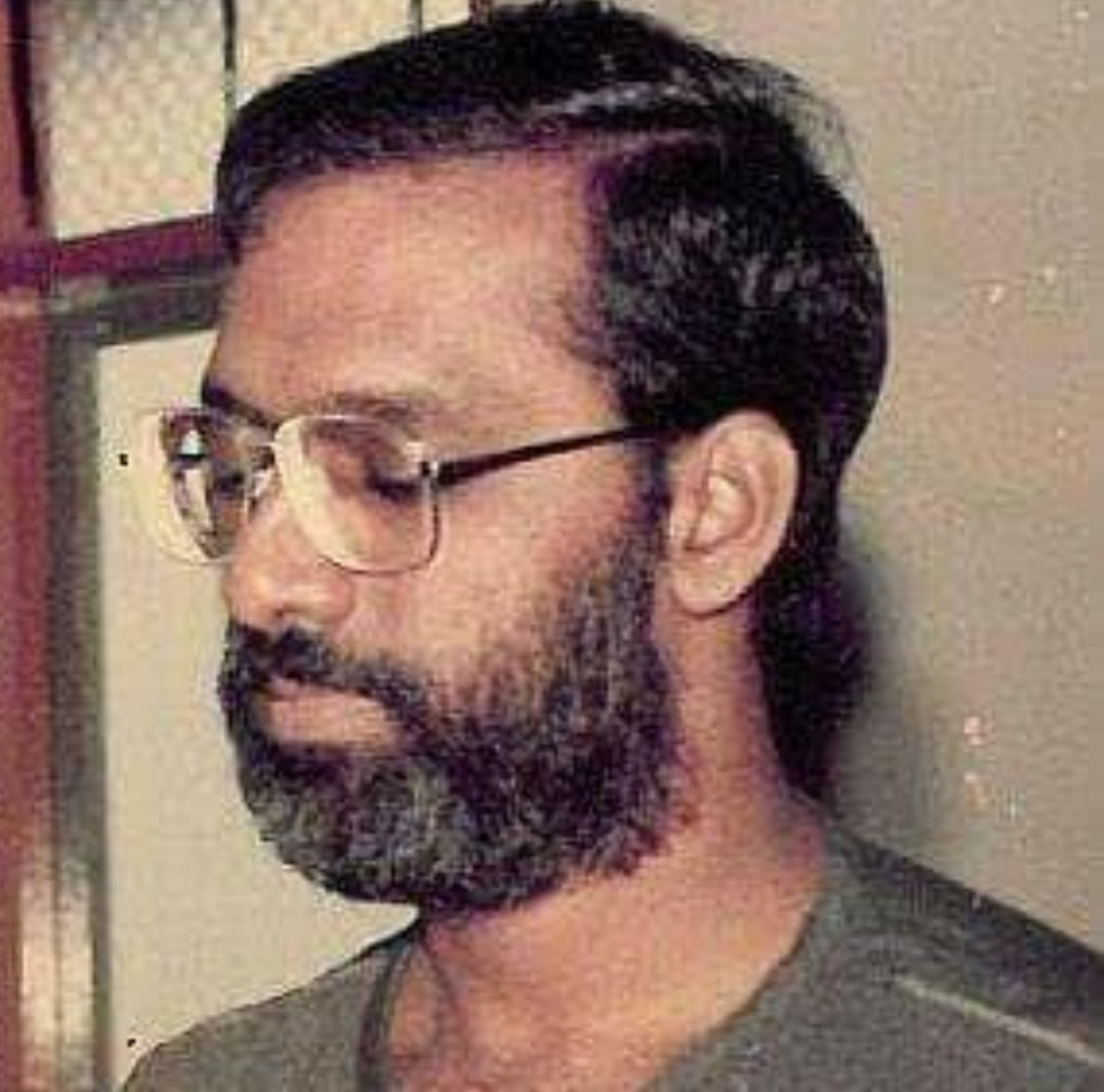
Longtime Borneo watcher Joe Fernandez has been writing for many years on both sides of the Southeast Asia Sea. He should not be mistaken for a namesake formerly with the Daily Express in Kota Kinabalu. JF keeps a Blog under FernzTheGreat on the nature of human relationships.
Facebook Comments

Facebook Comments